
Life feels like a race. We race through duties, multitask, and evaluate success on the level of how much one can get done within a short time. Faster is not necessarily good. It has boosted productivity, creativity, and emotional balance, which are enhanced by slowing down.
Speeding up does not mean doing less; rather, it is doing with thoughtfulness, deliberation, and attention. This guide demonstrates how slowness can change work and wellbeing.
Download Our Self-Care Vision Board
Your ultimate resource to explore the art of self-care and create a vision board that reflects your aspirations and desires, absolutely free!
Get Your Free Vision BoardThe Hidden Power of Slow Living Benefits

We apply the label of laziness when we are slowing down, but according to psychology, we are not. Research has revealed that the brain functions better when resting and processing information. That is why you get your best ideas when walking, taking a shower, or sipping tea.
By slowing down, you allow time to be clear, focused, and think more deeply. You start living purposefully instead of being task-oriented.
Take Action: start small. Spend five minutes in the morning sitting and thinking first before looking at the emails or messages. Such a conscious pause predetermines a day full of calm, concentrated mood.
Mindfulness and Boost Productivity:

The boost productivity paradox reveals that faster employees tend to burn out, make errors, and become less creative. Focused mindfulness enhances precision and creativity by doing one thing at a time.
Mindfulness stimulates the focus and problem-solving parts of the brain. Firms like Google and Nike are mindful because focus is better than frenzy.
Take Action: put the Commodore Method to the test. Work quietly and focus for 25 minutes, after which have a 5-minute mindful break. Take a breath or stretch, or step out. You will come back renewed and more efficient.
Emotional Health at Work: How to Safeguard Your Energy.

Workplace stress tops modern challenges. Digital distractions and deadlines all day tire us. Slowing down is an effective method of preserving emotional well-being by relaxing the nervous system and enhancing self-control.
When you feel yourself, you can be a better communicator, cope with difficulties and prevent conflicts that are not necessary. When individuals are healthy, they boost productivity, not when they are tired.
Action: plan micro-breaks in the working day. Take a 3 to 5-minute break every two hours off the desk. Inhale, take water, or stretch. Such breaks give your inner batteries a recharge.
Natural Ways of How to Beat Burnout.

The stress experienced and the lack of recovery accumulate to burnout. Slowing down will help you reboot your body, decrease cortisol, and get more resilient.
Anxiety is minimized, and burnout is avoided by natural recovery habits such as mindful rest, healthy eating, and balanced routines. Imagine that slowing down is a kind of maintenance, such as the need to charge your phone before it stops functioning.
Action: defend your evenings. Establish a digital sunset policy–no work emails or social network an hour before bed. Read, or journal, or have some quiet time instead. It is the easiest practice that relaxes your mind.
Mindful Rest Practices That Change Everything
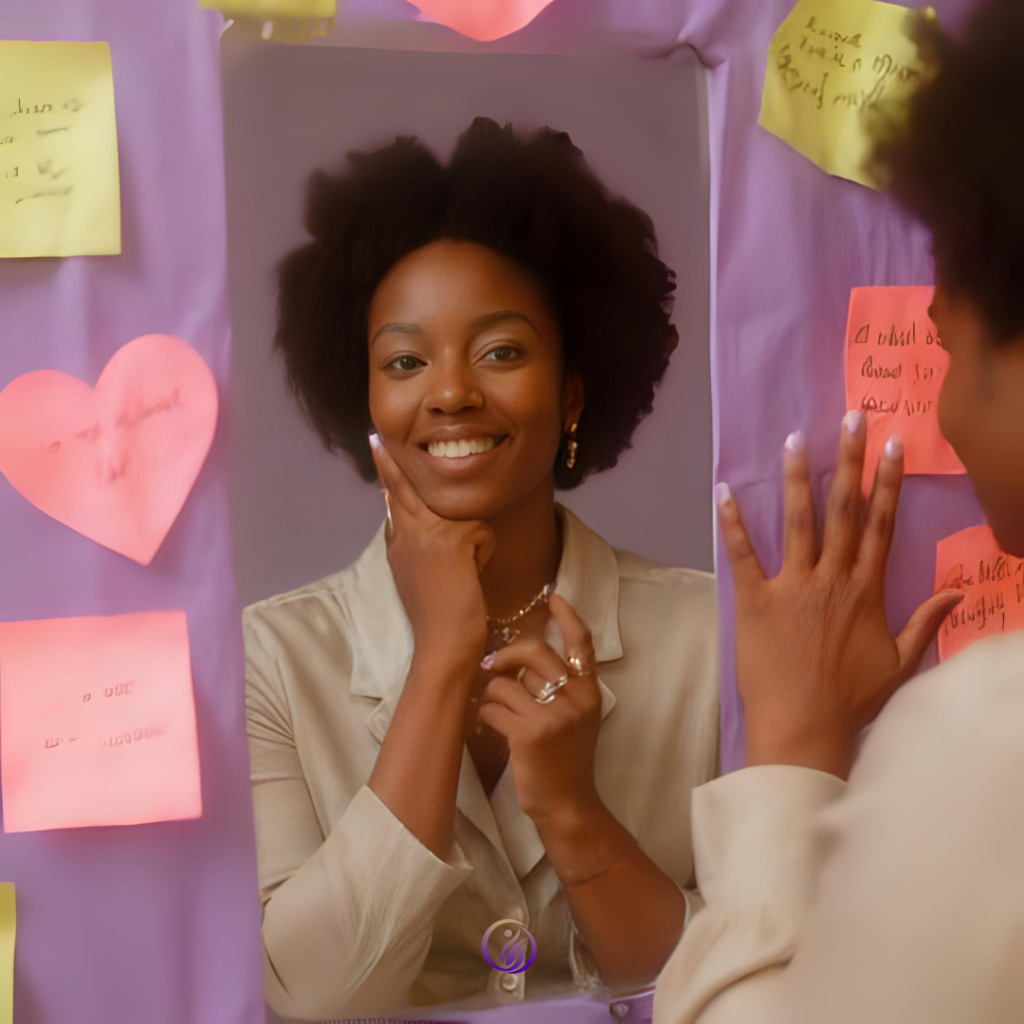
Rest is not always sleep. True rest intentionally calms the mind and body. Minor rituals can have a tremendous effect on your spirit and vitality.
The following are some of the basic practices to attempt:
- Breathing intervals: use the 4-7-8 breath-holding practice- 4 seconds inhalation, 7 seconds hold, 8 seconds exhalation. Say it three times to be less stressed in a moment.
- Mindful eating: Eat one meal a day without screens. Notice flavors, textures, and body sensations.
- Unplugged evenings: put on a candle, enjoy herbal tea, write in the journal rather than scroll.
- Nature walks: 15 minutes outside can make you feel better and be more creative.
Action: choose one of the rest practices today and employ it every day. Gradually, little modifications make enormous energy and attitude differences.
Conclusion:
Science reminds us that we do not have to live in overdrive to be a successful person. Going at a slower pace is the wiser, healthier way to boost productivity and an emotionally healthy life.
Living consciously places you in line with your potential and not your rivals. Breath deeply, make sure that you close your laptop at the end of the day, and keep in mind: you move at a slow pace, but you will be moving.
Read More about the “5 Simple Rituals to Ground You During a Busy Week“